Goreme’s Valleys & Churches
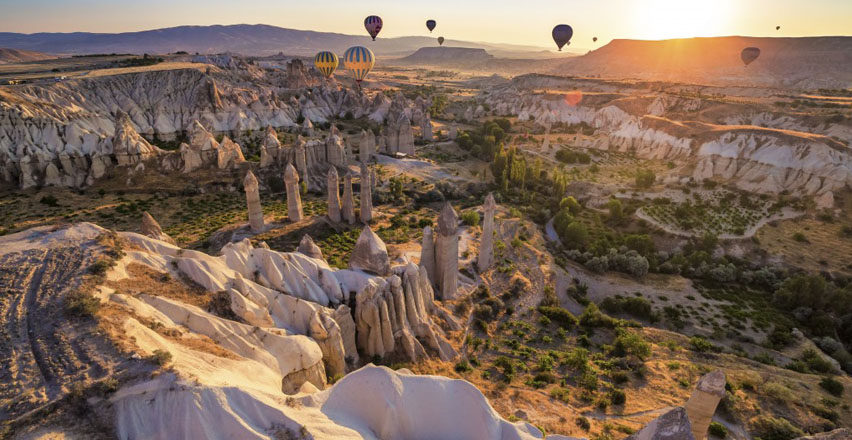
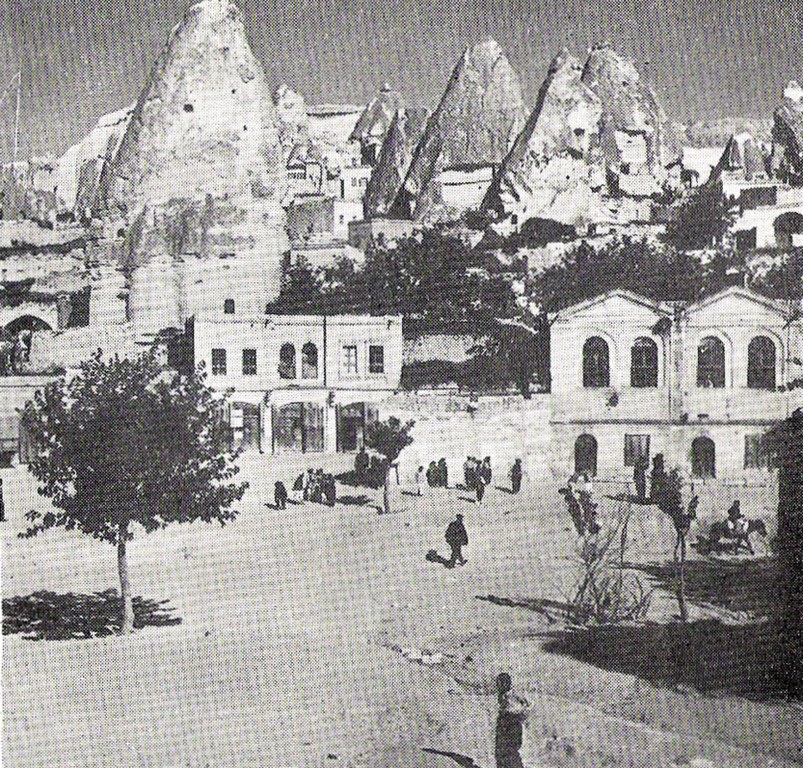
Goreme is the place where the highest and largest cone-shaped fairy chimneys of Cappadocia are located. Goreme, which is intertwined with constructed houses, used to be called Avcılar.
Korama, Matiani, and Maçan are also former names of Goreme. Goreme, Korama and Maçan are altered forms of Matiani.
It is widely believed that Maccan is the name of Hieron’s mother, who is the most famous local saint of Cappadocia. It is believed that Saint Hieron was born in the 3rd century AD in Cappadocia, and when he was called to join the Roman Army while working as a farmer, he refused and escaped.
It is believed that he hid in vineyards and was exiled to Melitene (Malatya) along with 32 of his companions, where they were all killed due to their faith. When he was killed, his severed hand was sent to his mother.
According to some, he is considered a saint related to wine because he hid in wine cellars. In the Old Tokalı Church, there is a large portrait of him as a military saint rather than a peasant.
In the village square, there is a temple or a monument tomb dating back to pre-Christian times. This magnificent structure with two broken columns hanging from the ceiling is thought to be from the Roman period and is therefore called the Roman Tomb.
The churches named Bezirhane, Orta Mahalle, Karabulut, Durmuş Kadir, and Yusuf Koç in Göreme and its surroundings, as well as the Chapel of Saint Hieron, are remarkable structures worth seeing.
Considering the large volume of Bezirhane and Durmuş Kadir churches, we should think of Göreme not as a small village but as a densely populated settlement in the past.
Coming from Uçhisar towards Avcılar, it is one of the most unique experiences in the world to watch the large cone-shaped fairy chimneys from the observation terraces on the right.
Bezirhane Monastery
Dating back to the mid-11th century, this structure is of the “monastery with a courtyard” type. The building, which can be reached from Ayvaz Efendi Street, actually consists of four separate sections.
The church of the monastery is the part shown as number 6 in Drawing 44. In this cross-shaped and three-apse section, paintings of St. George, the archangels Michael, and most likely St. Cosmas and probably St. Damianos have been identified.
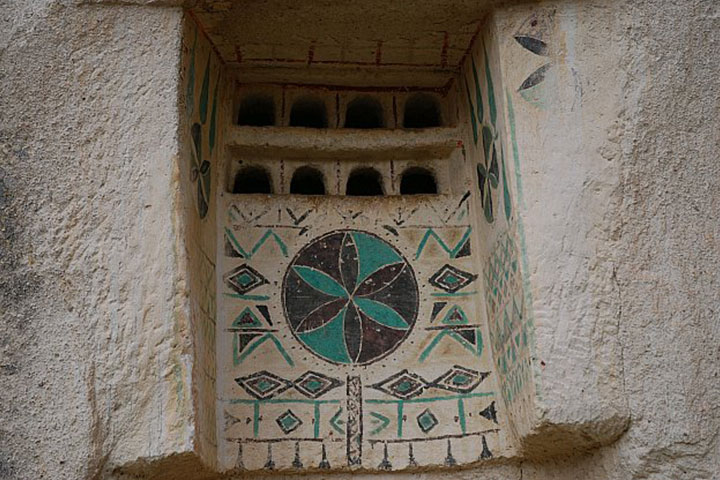
The part numbered 2, which is mistakenly visited as a church today, is a meeting hall with three naves and six columns in a basilica plan. This very large structure with a broken column has been used as a sesame oil factory in the past and was temporarily converted into a dovecote.

Durmuş Kadir Church
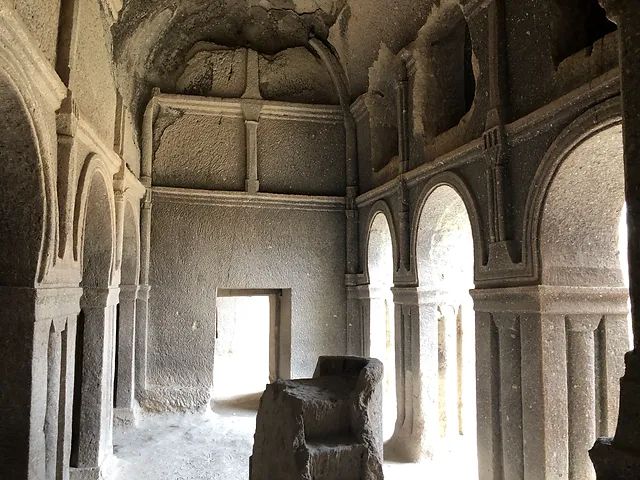
It can be reached by walking about 200 m from the road branching off to the right opposite Ataman Hotel. It is the most magnificent and unique structure among the non-pictorial buildings in Cappadocia.
It is an extraordinary architectural gem with exceptional craftsmanship and sharp lines in rock carving. It is impossible to conceive the magnificent rock-cut architecture inside the collapsed facade of the structure.
The entrance to the building is through the narthex, which also serves as a chapel. It has arcosolia, which are half-dome-shaped niches carved into the walls as tombs. When you enter inside, you will be amazed by the view you see. You can’t believe that the building is carved out of rock.
The main space is a basilica with three naves, three apses, and six columns. At the entrance of the main apse, there is a section with two collapsed columns that resemble parts of an iconostasis.
The unique element that makes this church exceptional in the world is a prayer pulpit (ambo) reached by four steps on each side in front of the main apse.
The idea of planning this pulpit before the rock was carved is an extraordinary design for the 6th or 7th centuries, when the church was likely built.
Yusuf Koç Church
It is privately owned. Like the Durmuş Kadir Church, it takes its name from the owner of the vineyard it is located in. Dating back to the first half of the 11th century, the church is actually an example of “monasteries with dining halls” type. The monastery consists of two rooms, a stable, a dining hall, and a church. Part of the dining hall has collapsed.
The church, which is located within a large fairy chimney and accessed by stairs, has an irregular plan. Although it appears to have a cruciform plan within a square, it is designed with six columns, some of which have two domes in the centre, some of which were left incomplete or broken.
The southern apse contains the Lamentation, the northern apse contains the Virgin Mary and Child Jesus, and the domes feature four archangels each. The decorations of the church, including the Annunciation scene and the images of Prokopios and Dimitrios, who are likely the founders of the church, are extremely interesting.

Mesevli Church
It can be reached from Kağnı Yolu Street, next to the Municipality building. It is a relatively unnoticed church as it was used as a pigeon house. It is likely a single-nave, single-apse church carved as a burial chapel. There are cross reliefs on the ceiling of the church and the apse. The cross inside the circle on the apse ceiling is quite interesting.
Orta Mahalle Church
It is located within a building known as Memiş Cingitaş House in Orta Mahalle. It is quite neglected. The church is single-apse and rectangular in plan, and the scene of Annunciation to Mary can still be discerned.
Saint Hieron Burial Chapel
It is located on the left side of the road from Göreme to Uçhisar. After the burial chamber with relief crosses at the entrance, there is a small church with a rectangular plan and a single apse. The church has grave pits excavated in the floor for adults and children. The stone craftsmanship applied in the church, dedicated to the memory of the local saint Hieron, is remarkable.

Valleys around Goreme
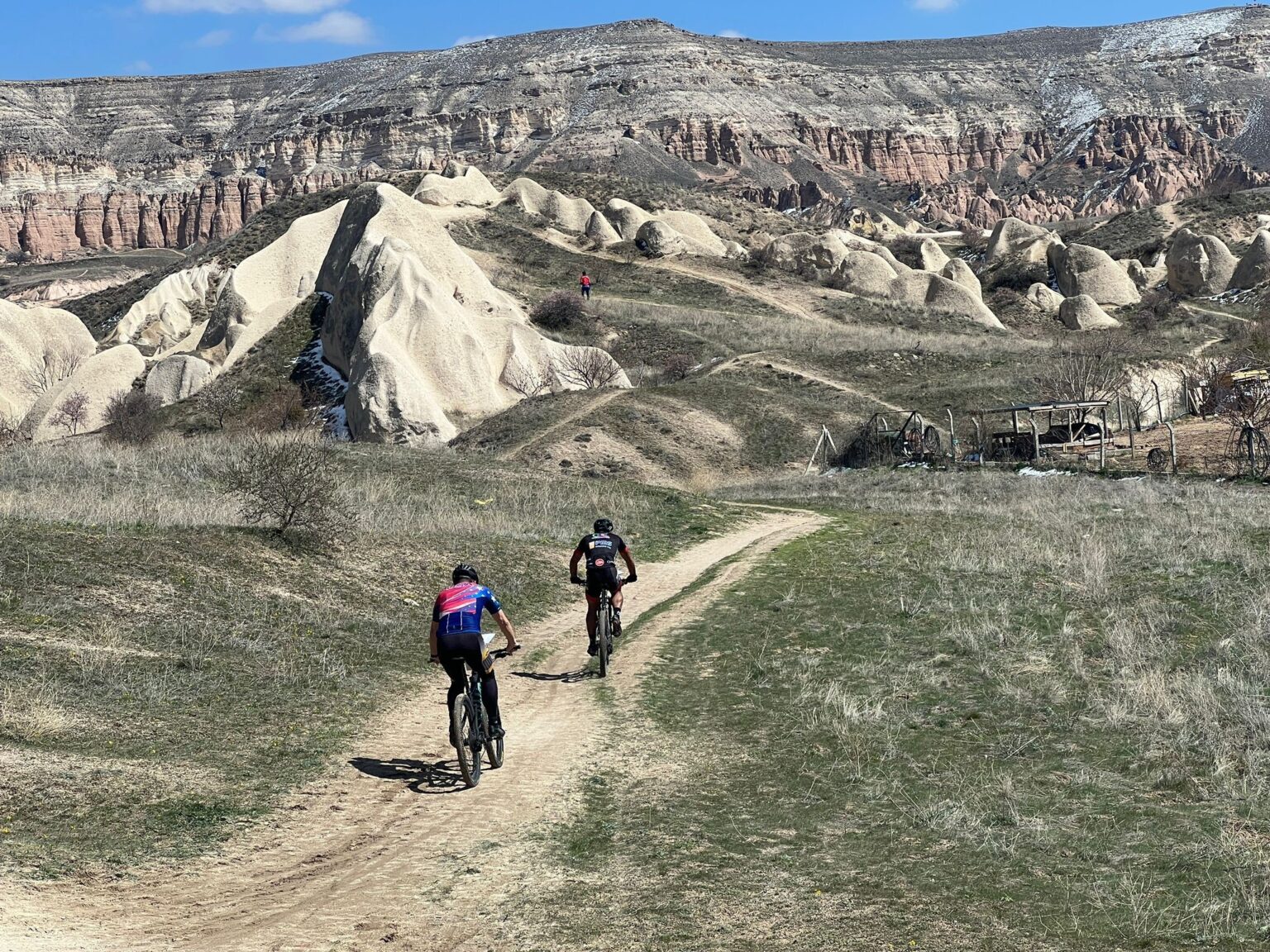
There are numerous valleys in Cappadocia, but those in the Nevşehir-Avanos-Ürgüp triangle offer incredible beauty that amazes visitors. One cannot claim to have truly experienced Cappadocia without taking a walk in these valleys, feeling a cosmic excitement as if on another planet, amidst this fantastic and surreal environment.
Sword Valley;
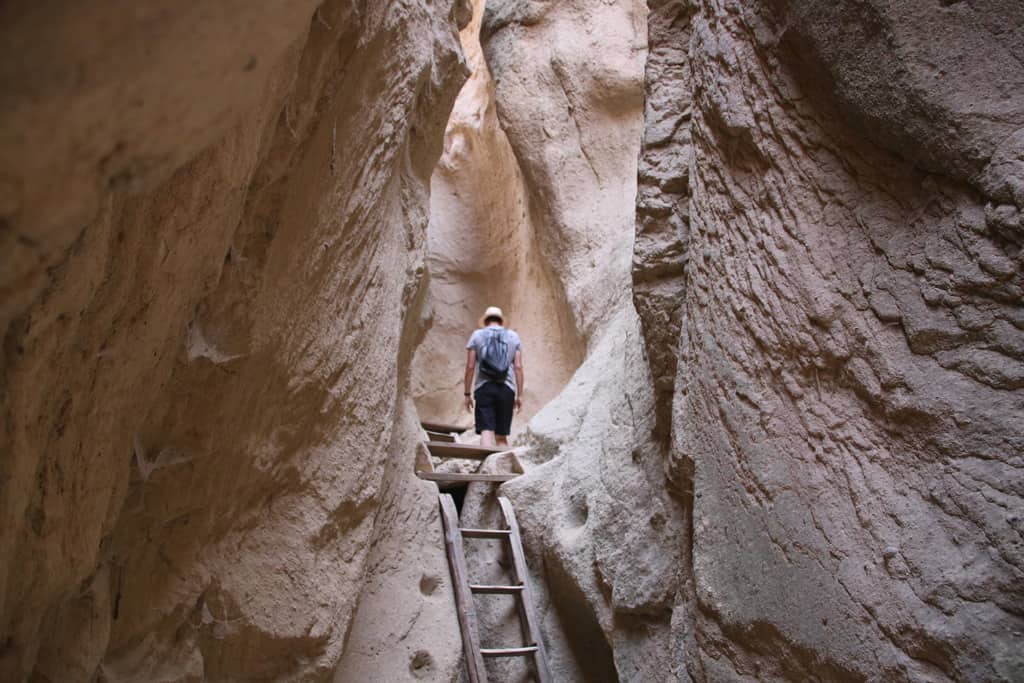
If you continue on the road on the high plateau behind Tokalı Church, you will reach the enchanting Sword Valley. The name of this magnificent natural wonder comes from the shapes of the fairy chimneys resembling swords.
Sword Valley is one of the most pleasing places for trekking enthusiasts, with its steep cliffs, picturesque semi-dry riverbed, tunnels that were part of the ancient waterway system, rock-carved houses, vineyards, and churches.
Descending from the high plateau behind Tokalı Church to Sword Valley is quite challenging. Therefore, you can reach the valley by going about 200 meters from Göreme Open-Air Museum towards Göreme town and then turning right.
The Sword Church in the valley is one of the extraordinary and impressive structures of Cappadocia. It is a hidden beauty. Located approximately 600 meters northeast of Göreme Open-Air Museum, the church has a cross plan, a large central dome supported by four free-standing columns, eight small domes, and three apses. The arms of the cross in the church are vaulted.
The narrative cycle wall paintings in the church date back to the 10th century and are extremely beautiful. The paintings in the side chapel added later to the church are the work of another workshop. The most interesting scene in the church is the Descent of the Holy Spirit upon the Apostles on the entrance vault.
Each apostle appears to have been individually beamed (enveloped in light, illuminated).The Sword Church is one of the structures with the richest repertoire of wall paintings in all of Cappadocia.
Another famous structure in Sword Valley, located near Sword Church but closer to the Museum, is the Mary Mother (Sword Dawn) Church. The church is covered with two groin vaults of different widths and heights, and its arches and niches are very interesting.
Three apses are found behind columned arches on the eastern side. The paintings, dating back to the 11th century, depict scenes such as the Nativity, Journey to Bethlehem, Crucifixion, Death of Mary, and Supplication, along with numerous holy figures and benefactors.
Gorkun Dere and Zemi Dere Valleys;
While going from the town of Avcılar towards Göreme Open-Air Museum, you can see large, thick, and extremely interesting fairy chimneys. At the clearing where the fairy chimneys end, there is a riverbed on the right in the distance.
If you follow the riverbed from the left, you will come to a junction in a magnificent vegetation. If you take the right path, you will reach Görkün Dere Valley. This valley has rock-carved pillars of an unprecedented size and density that cannot be seen elsewhere in Cappadocia.
These magnificent pillars resemble the Hindu symbol of Shiva Lingam. Görkün Dere Valley could perhaps be called the Shiva Lingam Valley. If you follow the left path from the junction, you will reach El Nazar Church, which has become one of the most interesting churches in Cappadocia due to fractures and collapses.
Located in a large singular fairy chimney about 800 meters away from the main road, the church dates back to the late 10th century. It is column-less, cruciform in plan, and has vaulted arms. The recently restored church is particularly rich in saint paintings. Hidden Church, located on a higher spot closer to Göreme Open-Air Museum than El Nazar Church, is truly a difficult structure to find.
It remained hidden for centuries due to collapses and landslides but was discovered in 1957. The church, dating back to the 1070s, is interpreted in the Mesopotamian style. Also known as the Baptist John Church, it has a longitudinal rectangular plan with three apses, one with a flat ceiling and the other with a cross vault.
The walls are adorned with flat ceiling crosses and geometric shapes, and there are numerous fascinating wall paintings. In the Crucifixion scene, Jesus is depicted with a cross on his stomach, and the fairy chimneys are also depicted in the church.
- On the road to Göreme Open-Air Museum, you can enter Zemi Dere Valley from the road that branches off to the valleys on the right. Alternatively, you can enter the same valley from the path indicated by the sign saying “Zemi Valley – 5600 m.” on the Ortahisar-Nevşehir road. You can also visit Karabulut and Sarnıç Churches on this route.
Pigeon Valley;
Starting with the pigeon houses seen near Uçhisar Castle, this valley is approximately 4,000 meters long.
Paşabağı or Monks Valley While going from Çavuşin towards Avanos, after about 1 km, you turn right to enter Zelve Valley road. In this section called Alibağ, there are tall and interesting fairy chimneys.
After traveling another 1 km and crossing the gorge called Akgedik, you will see interesting rock formations on the right and left. The section on the right was formerly known as Priests Valley or Monks Valley but is now called Paşabağı.
Here, among the grapevines, there are unique fairy chimneys with single bodies, one, two, or three heads on top. Paşabağı is actually a natural exhibition area that showcases the geological formation in Cappadocia, displaying different levels of water, erosion, and colors with various lines.
Gullu Dere and Kızılçukur Valleys;
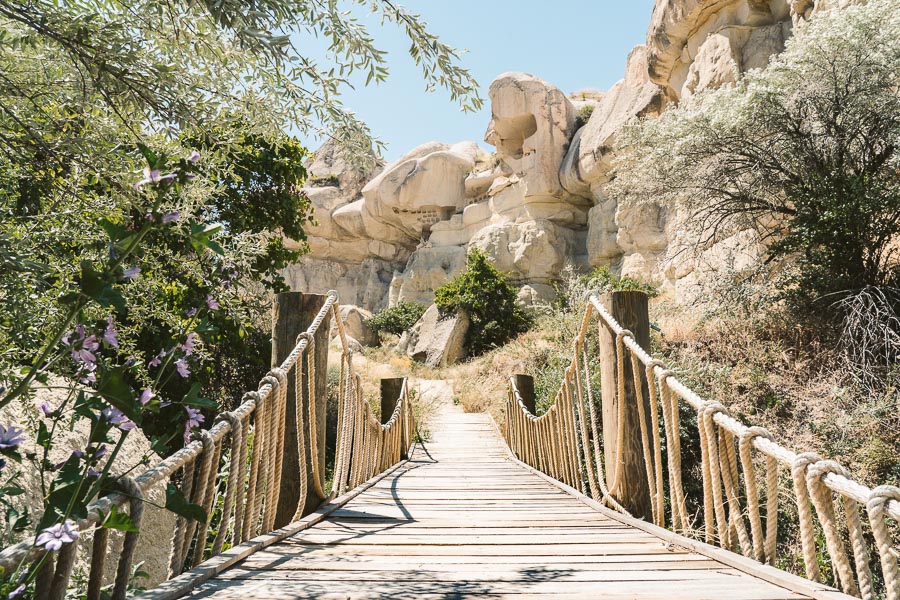
On the Nevşehir-Ürgüp road, there is a road directly opposite the Ortahisar junction that leads to Seyirlik Hill. Seyirlik Hill is located on a plateau known as Aktepe. This hill offers a unique and peculiar view, especially during the first and last hours of the day.
Seyirlik Hill also serves as the starting point for exceptional downhill hiking routes for travelers. From Aktepe, a route can be taken to descend to Çavuşin.
In Kızılçukur Valley, you can find the Yoakim and Anna Church, dedicated to the parents of Mary, the Crusader Church, and the exceptionally beautiful White Church (also known as Pillar Church, Columned Church, or Mustafa Saçlı Church in Thierry).
The entrance to the White Church, which is quite difficult to find, consists of a large church that competes with the Durmuş Kadir Basilica and Tokalı Church in terms of extraordinary height and size, as well as a considerably large hall and side rooms.
The intersecting columns on the vaulted ceiling of the hall are extremely surprising. However, the main point of curiosity is why such a large monastery was built here.
Baglidere Valley;
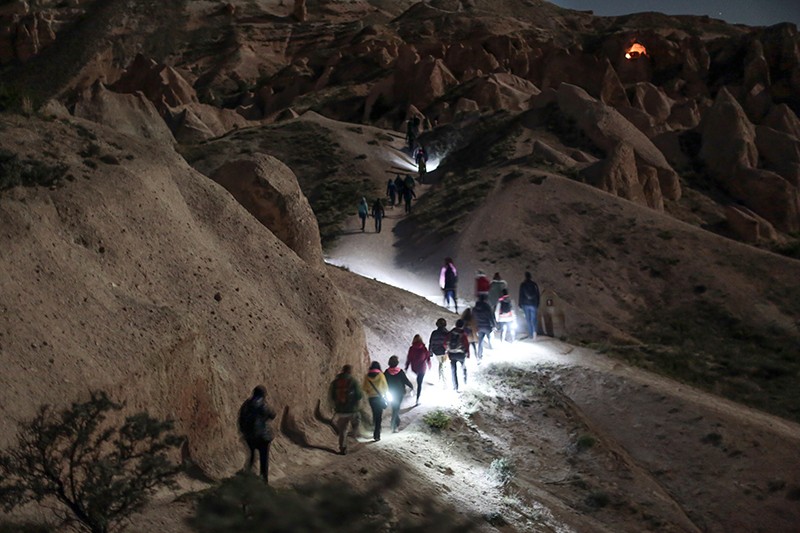
Bağlıdere Valley can be reached from a place called Örencik on the Uçhisar-Göreme road. The hiking trail in this valley is approximately 5 km long and takes about 2.5 hours to reach the Göreme-Avanos road.
The fairy chimneys and other geomorphological formations in the valley are quite interesting in terms of color, shape, and size. Taking a walk here will introduce you to another aspect of Cappadocia.
⇒ Go Turkey / Cappadocia
Prepared & Edit By :